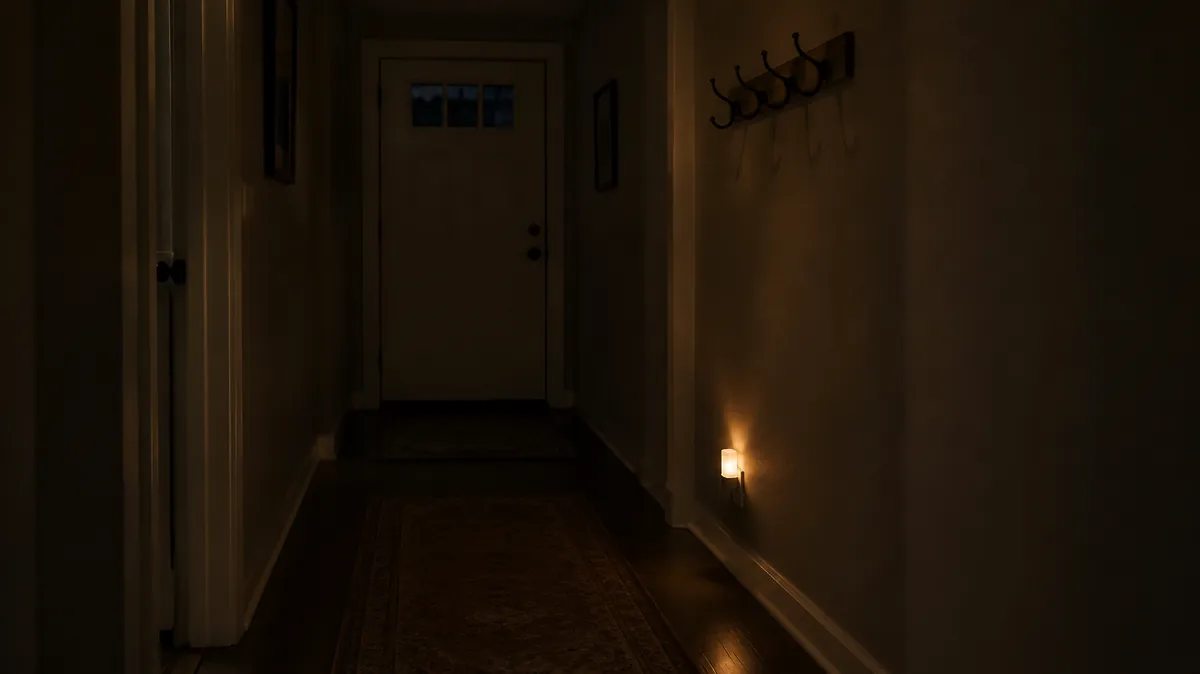
Late afternoon arrives and a parent with dementia gets restless, anxious or confused, sometimes pacing or asking to “go home” while already at home. Families call it sundowning. It is exhausting for the person and for whoever is awake with them. This guide explains what is known, what the Alzheimer’s Association suggests, and how to keep the evening safe.
We are an independent research site, not clinicians. Suggestions are attributed, and anything that is our own idea is labeled.
The short answer
Sundowning is increased confusion from dusk through the night in some people with Alzheimer’s or dementia. It is a group of symptoms, not a disease, and the exact cause is unknown. The Alzheimer’s Association suggests a steady routine, daylight and good evening lighting, less evening stimulation, a lighter dinner, and talking to the doctor if tips do not help or if sleep problems or pain may be involved.
In this guide
What sundowning looks like
The Alzheimer’s Association describes trouble sleeping, anxiety, agitation, hallucinations, pacing and disorientation that show up from dusk through the night. It is not a diagnosis of its own. Writing down when it starts and what happened beforehand is the most useful thing you can bring to the doctor.
Possible causes
The Alzheimer’s Association says the exact cause is unknown and may be linked to disease progression and brain changes. It lists these possible contributors:
- Exhaustion from a busy day
- Unfamiliar or confusing surroundings
- A disrupted internal body clock, with daytime tiredness and nighttime wakefulness
- Shadows in low light, which can cause confusion or hallucinations
- Picking up on stress or frustration from others
- Dreams that blur the line between dream and reality
- A lower need for sleep, which is common with age
What the Alzheimer’s Association suggests
- Encourage rest, and limit daytime naps if nighttime sleep is poor.
- Schedule appointments, outings and bathing in the morning or early afternoon, when the person is more alert.
- Keep a consistent routine for waking, meals and bedtime.
- Get time in daylight, and keep the home well lit in the evening.
- Track what happens before episodes to find triggers.
- Reduce evening stimulation, such as a loud TV, chores or loud music.
- Serve a larger lunch and a lighter evening meal.
- Try calm music, photos, a favorite movie or a walk.
- Ask the doctor about the best times to take medication.
- Avoid or reduce alcohol, caffeine and nicotine.
A clock that shows the day and time clearly can help some people stay oriented. That one is our suggestion, not the Association’s.
Keeping the evening safe
These are our suggestions and are practical rather than medical:
- Light the path from the bedroom to the bathroom, and remove clutter.
- If your parent wanders at dusk, read our guide to wandering at night and consider door safety options and a monitoring device.
- Keep an emergency information sheet by the door, so a neighbor or paramedic can see medications and contacts quickly.
- Share the load: evenings are the hardest hours, so ask another family member or a paid helper to take them some days. See respite care.
- Walk through the house with our dementia-proofing checklist.
When to talk to the doctor
The Alzheimer’s Association suggests raising it with the doctor if these steps do not improve sleep or evening confusion, to check for physical causes such as urinary tract infections, incontinence, restless leg syndrome or sleep apnea, and before considering medication. It says experts generally recommend non-drug approaches first and keep medication for cases where those fail, after reviewing the risks and benefits with the doctor.
Bring a short log. The free daily checklist and log works well for noting the time, what happened beforehand and how long it lasted.
The Aging Parent Emergency Info Sheet
Medications, contacts and legal info on one page, ready for a paramedic or hospital.
Common questions
What is sundowning?
Increased confusion that people with Alzheimer's or dementia may experience from dusk through the night. The Alzheimer's Association says it is not a disease but a group of symptoms.
What causes sundowning?
The exact cause is unknown. The Alzheimer's Association lists possible contributors such as exhaustion, unfamiliar surroundings, a disrupted body clock, shadows in low light, picking up on others' stress and vivid dreams.
What helps with sundowning?
A steady routine, daylight and a well-lit evening, less evening stimulation, a lighter dinner, calm activities and avoiding caffeine and alcohol. Ask the doctor if these do not help.
Does sundowning happen in every stage of dementia?
We could not confirm a stage from the sources we read. The Association notes it may be linked to disease progression and brain changes. Ask your parent's doctor what to expect.
When should I call the doctor about sundowning?
When tips do not help, to rule out physical causes such as infection, and before considering any medication. Sudden new confusion can signal an acute problem, so call the doctor promptly or seek urgent care if you are worried.
One important caveat
This guide is general information for family caregivers and is not medical advice. Sudden new confusion or agitation can have a treatable cause such as infection or pain, so talk to your parent’s doctor. In an emergency, call 911.
Sources
Alzheimer’s Association, Sleep issues and sundowning (opened November 2026). We wrote our own summary; suggestions marked as ours are not from the Association. We welcome corrections through our contact page.